
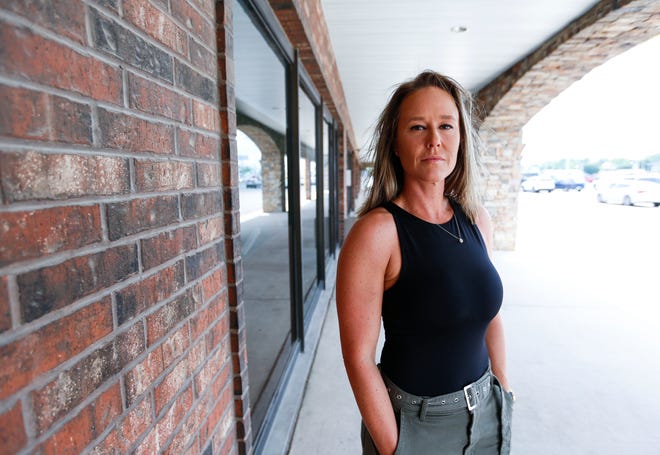
Represented by Kristi Fulnecky, Ozark mom sues CoxHealth, CEO over ‘COVID’ promo code and social media screenshots
06/16/2026 |
How the dispute began
- In 2020, Cherry’s 10-year-old son developed what she described as swimmer’s ear after a family boating trip near Branson.
- Cherry initially tried to schedule a CoxHealth virtual visit for her son.
- During the online registration process, she was asked to enter the promo code “COVID”, which CoxHealth was using to make pandemic-related telemedicine visits free.
- Cherry was uncomfortable associating the word “COVID” with her son and objected to entering it. After an argument with a Cox employee, she instead took her son to urgent care and paid about $130 for treatment.
Social media controversy
- Frustrated by the experience, Cherry posted complaints on what she considered her private Facebook page.
- CoxHealth CEO Steve Edwards later posted a screenshot of her Facebook comments on Twitter and explained that “COVID” was simply a coupon code used to provide free telemedicine services during the pandemic.
- Edwards stated that the code was a public-service measure, not part of any conspiracy or effort to falsely classify patients.
The lawsuit
Cherry filed a lawsuit alleging that Edwards’ tweet:
- Was defamatory and libelous.
- Violated her son’s medical privacy.
- Harmed her professional reputation as a real estate agent.
- Improperly shared content she believed was private.
She is seeking damages, legal costs, and removal of the offending posts.
CoxHealth’s response
CoxHealth argues:
- Cherry herself made the information public by posting it on Facebook.
- Edwards shared the post to correct misinformation and explain the purpose of the COVID promo code.
- The organization was focused on encouraging safe use of telemedicine and COVID testing resources during the pandemic.
- The lawsuit lacks merit.
Court status
- A judge denied CoxHealth’s request to dismiss the case in January, allowing it to proceed.
- As of the article’s publication, no trial date had been set.
Edwards’ later comments
- After receiving criticism for posting about Cherry on Twitter, Edwards acknowledged that he “should have risen above” the situation and admitted he had failed in that regard.
- However, he also noted the hostility healthcare workers were facing during the pandemic and defended the need to address misinformation.
Core issue
At its heart, the case is a dispute over whether a healthcare executive’s public response to a patient’s social media criticism—particularly one involving a child’s medical visit—crossed legal boundaries related to privacy, defamation, and reputation, or whether it was a legitimate effort to correct public misconceptions during the COVID-19 pandemic.